
From Awareness to Action: Mental Health at Work
Laura May shares why small actions at work make the biggest difference to mental health
Trigger warning: this story has a brief mention of suicide
The theme for this year’s Mental Health Awareness Week is ‘action’; the idea that to truly make advances in mental health, we must move beyond awareness and get to a place where we are acting to make meaningful change. I’ve been part of the efforts to raise awareness around mental health since I tried to take my own life in 2013, and in more than a decade since I started campaigning, speaking and writing publicly about mental health, I’ve seen huge progress in how open we are to talking about this topic.
Work, however, has always been a difficult nut to crack. We spend an enormous amount of our waking lives at work yet many of us still feel unable to bring our full selves with us. Even as someone who frequently talks about their struggles with anxiety and depression, honesty at work can still feel risky. When I reflect on my mental health journey, it’s often the small, everyday actions- for myself and for others- that have made the biggest difference. So, if we know mental health matters, and we know silence can do harm, the question becomes: how do we act early, and how do we create a workplace where support doesn’t only arrive once someone is in crisis?
Like with physical health problems, prevention is the greatest tool of all. Early action to support mental wellbeing and to make mental health part of normal conversation at work is vital to help prevent escalation to crisis. What does early action look like at work? A lot of mental health awareness campaigning has been about ‘checking in’ or telling people, ‘it’s okay not to be okay’, but unfortunately, if your mental health is in decline, it’s often very hard to be the one who takes the proactive step of asking for support and it puts the onus on the person struggling to be the solution.
For us all
The first step in being proactive about mental health means noticing the small changes in your peers – withdrawal from conversations or meetings, a change in communication style, missing deadlines or making mistakes that wouldn’t normally happen, or on the flip side, overworking or perfectionism in overdrive. Everyone wears their mental health differently, but noticing the small changes at work can mean catching someone before they fall. If you do notice changes, the next step is thinking about what actionable support you can give someone. Obviously a great place to start is an honest conversation about how someone is feeling, but people will often resist asking for help even when given the opportunity.
For colleagues
Early action could be helping someone get on top of their to do list or on top of their organisation, encouraging the use of annual leave (or sick leave where needed), speaking up when you see that workloads are unmanageable (even if it’s not affecting you personally) and speaking to a trusted peer or manager when you notice changes in someone you work with. It also means creating a culture where flexibility is normalised and spoken about, where sharing your struggles is frequent and fighting against a culture where burnout is normalised and being overly busy is rewarded or praised.
For managers
Creating a team culture where healthy working habits and general health habits are encouraged and creating spaces that feel safe for conversations about mental health should be part and parcel of managing your team. Early action doesn’t need to be dramatic or formal. It’s about making small decisions and taking small steps, frequently, to prevent pressure becoming harm. It’s the little things we do individually and as a team to hold each other up that are most effective at preventing crisis.
So, ask yourself: what one small action can I take today – for me, for my colleagues, for my team – to reduce pressure early, quietly, and before it becomes a crisis?
Want to learn more?
Visit the Wellbeing and Benefits Hub to explore our internal support and resources.
Visit the Mental Health Foundation page for Mental Health Awareness week.
And in the spirit of authenticity, if you’re interested in reading more about my journey with mental health, you can check out my personal blog.
Related content
-

Co-op Careers Site Map | Explore Job Sectors and Locations
Navigate the Co-op Careers site with ease. Discover diverse job sectors, from retail to logistics, and explore opportunities in locations across the UK. Start your journey today! -
Your Saved Jobs at Co-op Careers | Revisit Opportunities
Easily access and manage your saved job opportunities on Co-op's careers site. Stay organized and take the next step toward your dream role with us. -
Discover Careers at Co-op
At Co-op, we do things differently. Join a company owned by its members, focused on giving back to communities, and offering work that truly matters. -
Your Co-op Application Journey
Learn how Co-op ensures a fair, simple, and supportive application process for all candidates, with constructive feedback and equity at its heart. -
Diversity and Inclusion at Co-op
At Co-op, we celebrate individuality and embrace diversity. Join an inclusive environment where your talents and beliefs are respected and valued. -
Early Careers at Co-op
Kickstart your career with Co-op’s early careers opportunities. Gain valuable skills, experience, and make a real difference in communities across the UK. -
Explore Logistics Careers at Co-op
Join Co-op logistics teams and help keep stores stocked with the products customers love. We offer roles for warehouse operatives, drivers, managers, and specialists. -
Hybrid working policy
Here at the Co-op we want to support our colleagues to do their best work, have a good work life balance, work flexibly whilst staying connected, and get the job done. -
Flexible working policy
Flexible working means any working pattern that is different from your current one. Here at the Co-op we want to support colleagues who want to work flexibly wherever we can. -
Inclusion & Diversity Policy
We know that simply having a diverse workforce is not enough. We want to create an inclusive environment, where everyone can contribute their best work and develop to their full potential. -
Trans and Non-Binary Inclusion Policy
Here at the Co-op we want all our colleagues to feel included, so that everyone can add value and fulfil their potential without fear of discrimination. -
Mental health policy
Here at the Co-op we want to support our colleagues’ wellbeing, and this includes their mental health. -
You’re going to university!
Let Co-op help you on your journey. -
Become a Co-op Warehouse Hero
Flexible Co-op warehouse roles for experienced and non-experienced professionals. Grow your career while feeling safe, respected, and supported. -
Drive Your Future with Co-op LGV Careers
Join Co-op as an LGV driver and deliver great products to millions across the UK. No retail industry experience required—just bring your passion to the driver’s seat. -
Nothing is more important than family
Data Analyst, Trevor, talks about his 25 years (and counting) at Nisa Retail and the incredible support he's received to enable him to do his most important job – being a dad. -
Working as an Information Security Education Specialist at Co-op
Our Information Security Education Specialist, Stephanie, discusses the impact of her role and how she helps to empower colleagues to make our Co-op more digitally secure. -
Introducing Co-op Insurance – Innovative Careers in Manchester
Join Co-op Insurance to protect what matters. Develop cutting-edge products and services for motor, home, pet, and travel insurance at our Manchester head office. -
Co-op Support Centre Apprenticeships | Diverse Career Paths
Develop skills for life with Co-op support centre apprenticeships. Explore opportunities in HR, finance, tech, property, and more. -
Explore Food Retail Careers at Co-op | Make an Impact Locally
Make a difference in your community with Co-op food retail careers. Join us as a store manager, team leader, or member and be the friendly face customers rely on. -
Co-op careers – Make an Impact and Build Your skills
Discover why Co-op careers stand out. Join a people-focused organisation and make a meaningful difference to communities and the planet. -
Co-op Funeralcare roles | Compassionate Careers Start Here
Join Co-op’s Funeralcare roles and develop compassionate skills for a rewarding career in funeral services. Start your journey today. -
Co-op Legal Services Careers | Explore Diverse Opportunities
Join Co-op Legal Services to make a difference. Explore career opportunities for both qualified and non-qualified professionals across our UK offices. -
Member Activators | Connecting with our communities
Meet Co-op’s Member Activators, a network across the UK raising membership awareness and tackling key community issues. Discover their impact today. -
Undergraduate Placement Opportunities
Kickstart your career during university with Co-op undergraduate placements. Explore diverse roles in Digital Technology, Commercial teams, and beyond. -
Interview and workplace adjustments guide
Here at Co-op we want to make sure disabled and neurodivergent colleagues are treated fairly and have access to the same opportunities as everyone else. -
Empowering your next career move at Co-op
As a Co-op colleague, you have access to many resources to help you reach your goals and advance your career. -
My apprenticeship gives me the best of both worlds
Eddy, our Food Technology Apprentice, shares some of his favourite moments and experiences since joining Co-op - from collaborating with global suppliers to taking part in an unforgettable research trip to Turin. -
Avonmouth warehouse opportunities
Learn more about working at our Avonmouth depot. -
Finding new opportunities, support and an inclusive working environment at Nisa
Meet our colleagues, Hanifa, Jess, Trevor, Andrew, and Furzana, as they talk about why they love working for Nisa in Scunthorpe. -
Biggleswade depot FAQ's
Some frequently asked questions about our brand new distribution centre Biggleswade. -
Bullying, harassment and discrimination policy
Here at the Co-op we have a zero-tolerance approach to any form of bullying, harassment or discrimination. -
Domestic Abuse Policy
Here at the Co-op we want you to know that we’ll do everything we can to support you if you’re experiencing or are close to anyone impacted by domestic abuse. -
Disability redeployment policy
Here at the Co-op we’re committed to supporting colleagues who have a disability to stay in work. -
Reasonable adjustments guide
Here at the Co-op we want to make sure disabled colleagues are treated fairly and have access to the same opportunities as everyone else. -
Disability Confident Scheme
The Disability Confident Scheme is a government initiative that encourages employers to increase the number of disabled people they hire into their organisation. -
Eligibility to work guidance
Guidance to understand what you need to bring to interview to prove your right to work. -
Co-op Colleague Networks
At Co-op, we’re proud. Proud of our diverse colleague community and proud of a workplace culture where people can flourish while always being their true, authentic selves. -
Careers in Customer Service
At the Co-op, we do retail differently. -
Biggleswade depot
Our flagship distribution centre in the heart of Bedfordshire. It's the biggest, most sustainable and environmentally friendly depot in our network. -
Diversity, Inclusion & Wellbeing at Co-op
Co-op creates an environment where colleagues respect and celebrate each other’s individual differences. We embrace the talents, beliefs, backgrounds and abilities of all our colleagues. And it’s more than just an ethical decision. -
Co-op Apprenticeships – Earn While You Learn
Explore diverse Co-op apprenticeships, from Solicitor roles to career-changing opportunities for school leavers, college leavers, and graduates. -
Introducing Co-op & Nisa – Opportunities for Specialists
Explore exciting career opportunities at Co-op and Nisa. Join us at our Scunthorpe or Manchester offices, or work field-based to support our independent retailers across the UK. -
Digital, Tech & Data Careers at Co-op
Join Co-op’s Tech, Data & Digital teams to drive innovation and growth. From software engineering to enterprise architecture, discover a career that makes an impact. -
-
Working with a coach has changed my mindset
Candidate Marketer, Lucy, explains how working with a coach has helped her since joining Co-op. -
Our first Fraud and Investigations apprentice at Co-op
Jayne shares how new legislations have led her to become the first Co-op colleague to complete the Counter Fraud Investigator apprenticeship. -
Completing my apprenticeship has genuinely been one of the highlights
Andrew, Senior Project and Change Manager, shares his experience of completing his first apprenticeship. -
My journey from Membership to Digital, Tech and Data
Aysha shares her career moves in Co-op so far and some advice for others looking to grow their career. -
From Seasonal Warehouse Operative to Shift Manager
Sean Morrison shares his 18-year career journey at Co-op, starting as a seasonal temp to now leading shifts at our Birtley depot. -
The more I learned about our business, the more I fell in love with it
People Business Partner, Charlie, shares her squiggly career from joining a Co-op store during Covid to working in the People team – and loving every step. -
My squiggly career pathway to becoming a Regional Operations Manager
Jean, Regional Operations Manager, shares her squiggly career journey over the last eight years at Co-op. -
Supporting people with disabilities into work
At the Co-op we’re committed to supporting our communities. We can do this is by helping people with disabilities into work. -
Castlewood depot
Castlewood depot - one of the larger depots in our network, servicing stores across the Midlands and Yorkshire. -
Retail Seasonal Jobs
Join us as a Customer Assistant and have a summer job to remember. -
Why I became a Co-op Academy Trust Governor – and why you should too
Lloyd, Future Workforce Skills and Capability Lead, shares his experience volunteering with our Co-op Connell College. -
Never let challenges hold you back - this business really does care for you
Online Service and Performance Lead, Lee, shares how supportive leaders helped him to overcome challenges, thrive at work, and grow his career from stores to support centre. -
From Stores to Depots: Jamie’s career journey beyond retail
Jamie’s move from retail to logistics proves there’s more than one way to grow at Co-op. He shares more about this journey, the steps he took and the support that made it possible. -
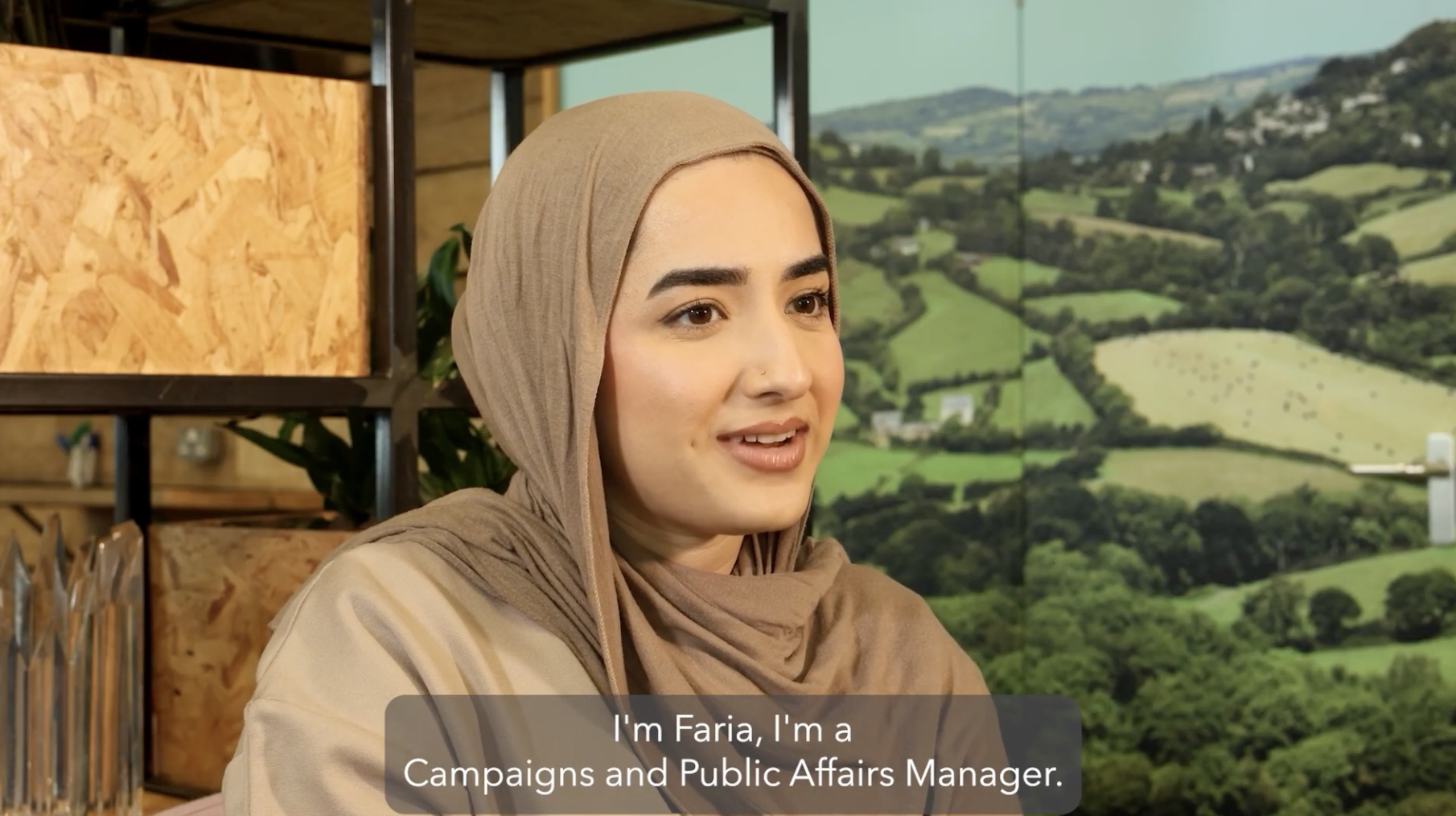
How Faria used her voice to shape change
Faria, Campaigns and Public Affairs Manager, shares how using her voice to speak up helped shape change at our Co-op – and inspired her to create our new colleague network, Co‑operating in Crisis. -
Co-op Wholesale
We’re always on the lookout for great people to join our teams. Whether your passion lies in Trading, Propositions, Business Development, Customer Experience or beyond, you’ll have the chance to share bold ideas, bring them to life, and help shape what comes next. -
My career journey from Customer Team Member to Operations Manager
Matt shares the linear career journey he’s taken to becoming an Operations Manager, what he’s learned along the way, and a message to colleagues in stores wondering how to get there too. -
-
Taking it one step at a time
Lydia shares how stress turned her world upside down - and how putting on her trainers became the small act that changed everything. -
Championing women’s voices at Co-op
Aspire, our biggest colleague network, enters a new era with two new co-chairs, Zoe and Sheryl, stepping in and continuing to commit to elevating every woman’s experience. -
What grief taught me about caring for others
Andy, Funeral Service Crew member, shares how loss, resilience and openness shape the way he cares for others - at work and beyond. -
From money worries to peace of mind
We’ve got you covered: real colleague stories about financial wellbeing. -
It’s never just a job – but a chance to learn and grow
From Funeral Arranger to Training Lead, Lottie shares how curiosity and continuous learning shaped her 15 year journey. -
I didn’t realise I was a carer – until I wasn’t doing it alone
Vicky explains how Co-op supported her to find connection, clarity and understanding as a carer. -
Caring through every chapter
How openness, our colleague networks and support at Co‑op helped Pauline balance caring for her child and her parents. -
Opening doors to opportunity
Lorna, Social Mobility Manager, talks us through Co-op's approach to social mobility and how we're helping to create access to opportunity for all. -
Building a career that genuinely makes a difference
Funeral Director, Chris, shares how an apprenticeship, personal experience and real pride in his work helped him build a career in Funeralcare.












































Sign up to job alerts
Don't see what you’re looking for? Sign up and we'll notify you when roles become available.
